
Wedding Day Tips — A Photographer’s Complete Guide
Updated 27 October 2026
Why These Tips Matter
After photographing more than 500 weddings since 2004 in Cape Town, I have seen what makes a wedding day run smoothly — and what causes unnecessary stress. These tips come directly from that experience. They are not generic advice from a planning website; they are the practical things I wish every couple knew before the day.
Most of the stress on a wedding day comes from timing, not from things going wrong. A realistic timeline, a clear contact list, and a few simple decisions made in advance will give you more time to enjoy the moments that matter — and better photographs as a result.
Planning your wedding in Cape Town? These tips pair with the advice on my wedding tips page. For answers to common questions, see my wedding FAQ.
Get in touch: +27 82 556 7427 · info@riekertcloete.com
Getting Ready — The Most Important 30 Minutes

The morning sets the tone. If the getting ready process is rushed and chaotic, that energy carries through the whole day. My advice: plan the morning in detail and protect 30 minutes of uninterrupted time for bridal portraits before the ceremony.
Those 30 minutes are not a luxury — they are when I capture some of the most beautiful images of the day. But they only work if the bride is not being asked a thousand questions or fielding phone calls. Delegate everything to a bridesmaid, your coordinator, or a family member.
- Hair and makeup: Book your stylist to finish at least 90 minutes before the ceremony, not 30. Late makeup is the single most common cause of timeline delays.
- Keep the room calm: Only the bridal party and parents should be in the getting-ready room. Too many visitors create noise and distraction.
- Dress and details: Have the dress steamed and hanging, shoes out, jewellery ready, and the bouquet delivered before the photographer arrives. These detail shots need good light and a tidy background.
For more on the bridal room, see my post on 5 essential bridal room tips.
Building Your Timeline
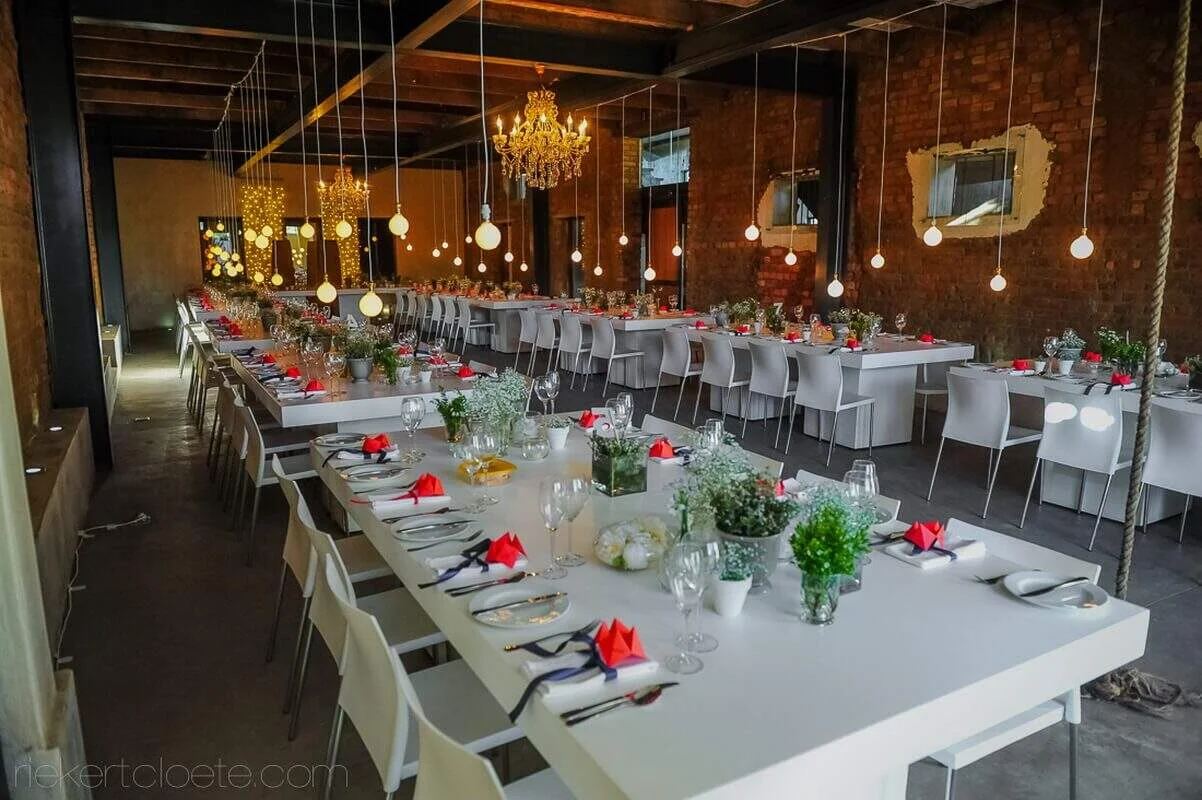
A well-built timeline is the secret to a relaxed wedding day. You only have so many hours of daylight, and how you use them determines how much time you get for portraits, how relaxed the ceremony feels, and whether the reception starts on schedule.
Here is a realistic timeline framework I recommend for a 4:00 PM ceremony:
- 10:00 AM — Hair and makeup begins
- 1:30 PM — Photographer arrives for getting-ready coverage
- 2:00 PM — Bridal portraits (30 min uninterrupted)
- 2:30 PM — Dress goes on, final details
- 3:30 PM — Guests arrive, pre-ceremony drinks
- 4:00 PM — Ceremony
- 4:45 PM — Family and group photos (15–20 min max)
- 5:00 PM — Couple portraits (golden hour)
- 5:45 PM — Cocktail hour ends, guests move to reception
- 6:00 PM — Reception begins
The critical window is between the ceremony and reception. That is when couple portraits, family groups, and the transition to the reception all happen. Rushing this window means rushed photos.
Photographer’s tip: Work backwards from sunset. Golden hour — the last hour before sunset — produces the best light for couple portraits. I always build the timeline around that window.
For a complete deep-dive into timeline planning — buffers, ceremony timing, travel time and more — read my full guide on how to build a wedding timeline that works.
The Ceremony — What Your Photographer Needs You to Know
The ceremony is the one part of the day that cannot be repeated. Here are the things that make the biggest difference from a photography perspective:
- Face each other, not the guests. Many officiants position the couple facing the congregation. I prefer you facing each other — it is more intimate and photographs better.
- Natural light beats spotlights. If you are indoors, a room with windows on one side creates soft, directional light. Avoid overhead spotlights if possible.
- Unplug the ceremony. Ask guests to put their phones away during the ceremony. A sea of screens between me and the aisle ruins the shot — and takes guests out of the moment.
- The walk. Walk slowly. The entrance is one of the most emotional moments of the day, and rushing it robs everyone — including the camera — of a proper look.
Group Photos — Keep Them Quick
Group photos are important but they should not take over the day. My approach: make a list in advance, keep it to 15 minutes, and get through it efficiently.
- Write a list. Give me a list of the group combinations you want before the day. Typical list: both families, bridal party, parents with couple, grandparents, siblings.
- Appoint a wrangler. Someone who knows both families and can gather people quickly. This saves more time than anything else.
- Limit the list to 6–8 combinations. Every extra group adds 2–3 minutes. Twelve groups means 30+ minutes of your guests standing and waiting — and 30 fewer minutes for couple portraits.
Transport Between Venues
Transport is one of the most overlooked parts of wedding planning. If your ceremony and reception are at different venues, the travel time eats directly into your portrait and celebration time.
- Same-venue weddings save 30–60 minutes and reduce stress. If your venue offers both ceremony and reception, use it.
- If you must travel, budget realistically. A “15-minute drive” on Google Maps becomes 30 minutes when you factor in the bridal car, the convoy, parking, and regrouping.
- Plan the route. Avoid busy roads during rush hour. A Saturday afternoon drive through Cape Town’s N1/N2 interchange can add 45 minutes.
- Coordinate arrivals. Make sure the photographer arrives at the reception venue before the couple — I need to be set up and ready when you walk in.
Personal Touches — Guestbooks, Details and Décor
The small details are what make your wedding yours. A guestbook that suits your style, thoughtful table settings, and personal touches all photograph well and give the reception character.
- Guestbooks: Move beyond the traditional book. Polaroid walls, message bottles, signed vinyl records, and fingerprint trees all create a visual feature and a keepsake that people actually engage with.
- Set up early: Have all table details, signage, and guestbook stations set up before the photographer arrives. I photograph these during the cocktail hour while the light is still good.
- Keep it personal: The details that photograph best are the ones that mean something to you — a family heirloom, a handwritten note, your grandmother’s brooch pinned to the bouquet.
Your Vendor Contact List
On the wedding day, the photographer, coordinator, DJ, caterer, and florist all need to be in contact. A shared contact list prevents miscommunication and saves time.
- Create a one-page list with every vendor’s name, phone number, and arrival time. Share it with the coordinator, photographer, and best man/maid of honour.
- Designate one person as the point of contact for all vendors on the day. This should not be the bride or groom — it should be the coordinator or a trusted family member.
- Include the photographer’s contact. I need to coordinate with the DJ for first dance timing, with the florist for bouquet delivery, and with the coordinator for the ceremony start.
For a deeper look at what a wedding day looks like from behind the camera, see my day in the life of a wedding photographer post.
Frequently Asked Questions
How early should the photographer arrive?
I typically arrive two to two and a half hours before the ceremony. That gives Riekert Cloete Photography time for the getting-ready story, the detail shots and bridal portraits without rushing. In the sample timeline for a 4:00 PM ceremony, I arrive at 1:30 PM, bridal portraits happen at 2:00 PM and the dress goes on at 2:30 PM. The most important part is to protect 30 uninterrupted minutes for bridal portraits. That only works if hair and makeup finish at least 90 minutes before the ceremony, not 30, and if a bridesmaid, your coordinator or a family member handles the questions and phone calls. If the groom is getting ready at a different location, I may send a second photographer or arrive even earlier.
What happens if it rains on the day?
Rain is part of Cape Town, especially between May and September, so a wet day is something to plan for rather than fear. Every good venue has indoor backup options, and Riekert Cloete Photography looks at them ahead of time so there is a plan before the day. Some of my favourite images have been taken in the rain: umbrellas, reflections on wet ground and moody skies give a romantic atmosphere that a clear day cannot replicate. The practical steps are to ask your venue where the ceremony would move to, to decide that early rather than on the morning, and to keep your timeline flexible between the ceremony and the reception, when couple portraits and family groups happen. Do not panic; adapt.
Should we do a first look?
A first look, where the couple sees each other before the ceremony, frees up time for portraits and reduces the rush afterwards. The most important stretch of a wedding timeline is the window between the ceremony and the reception, when couple portraits, family groups and the move to the reception all happen, and rushing it means rushed photographs. With a first look, much of the portrait work is done before the ceremony, so afterwards you can enjoy time with your guests and still have the golden hour for portraits. It is not for everyone, but couples who do it almost always say it was the calmest part of the day. If you are unsure, talk it through with Riekert Cloete Photography when you plan the timeline, and we will build the day around what feels right for you.
How long do couple portraits take?
I recommend 45 minutes to an hour during golden hour. That is enough time for relaxed, natural portraits without feeling hurried. Fifteen minutes produces good photographs; an hour produces great ones. Golden hour is the last hour before sunset and gives the softest, warmest light of the day, so Riekert Cloete Photography always builds the timeline around that window and works backwards from sunset. In the sample timeline for a 4:00 PM ceremony, family and group photographs take 15 to 20 minutes at the most from 4:45, and couple portraits start at 5:00. Tell me your ceremony time and venue and we can check where golden hour falls on your date, because it moves with the season.
Do you have a wedding day checklist?
Yes. I send every couple a detailed checklist and timeline template as part of the booking process. It covers everything from the morning schedule to the last dance. Most of the stress on a wedding day comes from timing, not from things going wrong, and a realistic timeline, a clear contact list and a few simple decisions made in advance are what give you more time to enjoy the moments that matter, and better photographs as a result. You will find a preview of this advice on the wedding tips page, and Riekert Cloete Photography can send the full version when you get in touch.
Ready to start planning? I would love to hear about your wedding and help you build a timeline that works.
Riekert Cloete · Cape Town Wedding Photographer
+27 82 556 7427 · info@riekertcloete.com · WhatsApp
100+ Google reviews · Since 2004 in Cape Town
Wedding photography · Packages & pricing · Portfolio