
A Day in the Life of a Cape Town Wedding Photographer
Updated 27 October 2026
A wedding photographer’s day starts hours before the first guest arrives and finishes long after the last dance. Over 22 years and more than 100 Cape Town weddings, I’ve developed a rhythm that keeps every moment covered without missing what matters most. Here’s what a real wedding day looks like from behind the lens — from gear checks at dawn to delivering the final gallery.
Planning a wedding in Cape Town? I’ve photographed weddings at more than 60 venues across the Western Cape. See my wedding photography page or view packages and pricing.
Get in touch: +27 82 556 7427 · info@riekertcloete.com
A Typical Wedding Day Timeline
| Time | What’s Happening |
|---|---|
| 06:00–07:00 | Final gear check — batteries, cards, backup body, lenses, flash units |
| 08:00–10:00 | Arrive at bridal suite — detail shots, candid getting-ready coverage |
| 10:00–11:00 | Groom and groomsmen coverage (separate location or same venue) |
| 12:00–13:00 | Ceremony — two-camera setup, key positions planned in advance |
| 13:00–13:30 | Family and group formals — pre-arranged shot list, 10–15 minutes |
| 14:00–15:00 | Couple portraits — golden-hour light, natural direction, candid moments |
| 16:00–22:00 | Reception — speeches, first dance, details, dance floor |
| Within 3 days | Teaser set (20–30 images) delivered |
| Within 3 weeks | Full gallery (about 100 edited images per hour of coverage) delivered |
Before the Wedding Day
Preparation starts well before the ceremony. The week before a wedding, I review the timeline with the couple and their planner. I check sunset times, scout the venue for portrait locations, and plan backup spots in case the weather turns — something that happens more often than you’d expect in the Cape.
The night before, I charge every battery, format memory cards, clean lenses, and pack a full backup kit: a second camera body, spare flashes, and extra cards. Equipment failure during a ceremony is not an option. In 22 years, I’ve never missed a shot because of gear — and that record comes from this kind of preparation.
The Morning: Getting Ready
On the day, I arrive at the bridal suite two to three hours before the ceremony. These early hours produce some of the most emotional images of the day — the unguarded moments when the bride sees herself in the dress for the first time, the father fighting back tears, the bridesmaids laughing over champagne.
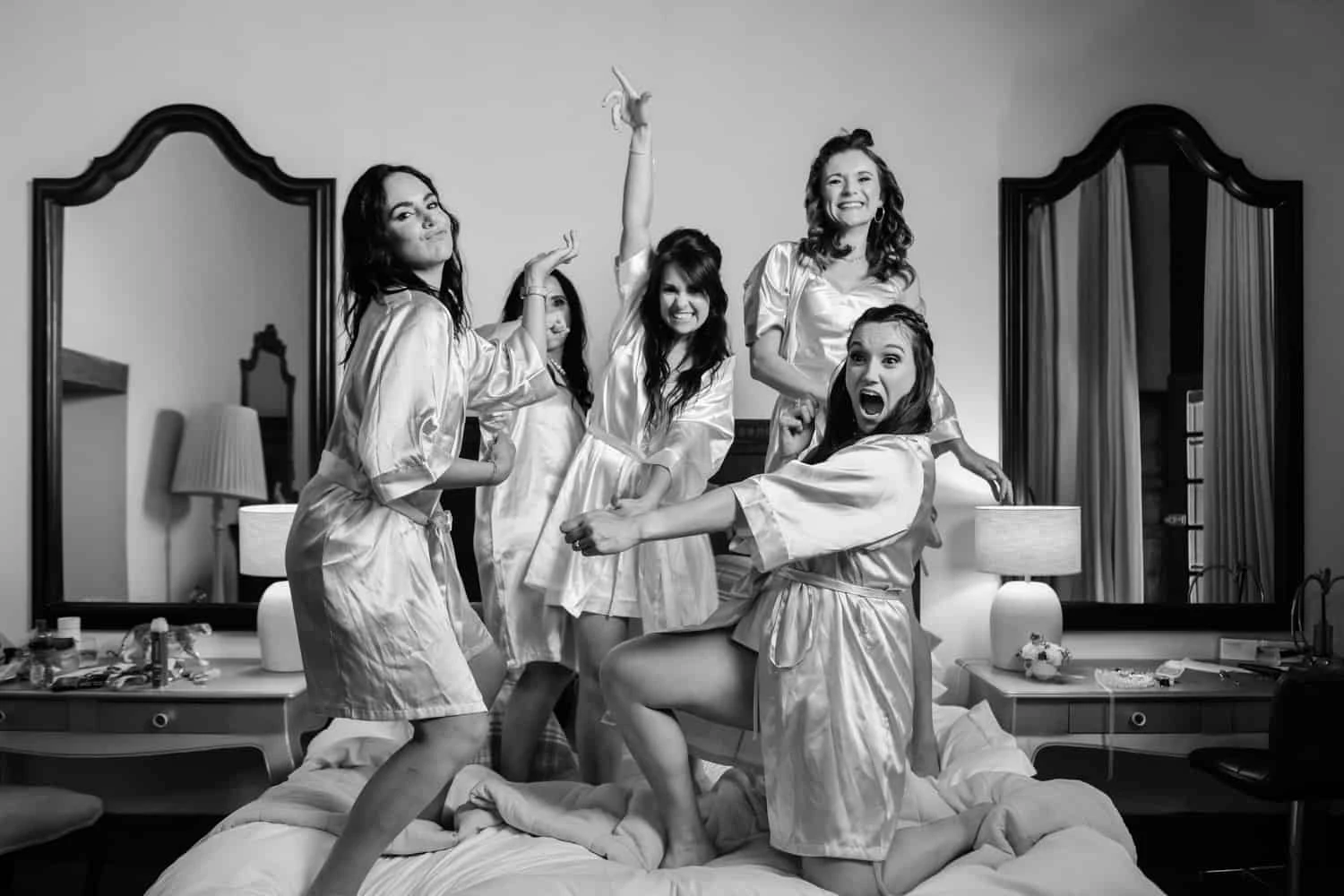
I work quietly, staying out of the way while the hair and make-up team do their job. Flat-lay shots of the dress, shoes, rings, and invitation go first while the room is tidy. Then I shift to candid coverage: hands buttoning a shirt, a mother adjusting a veil, a quick hug that nobody else notices.
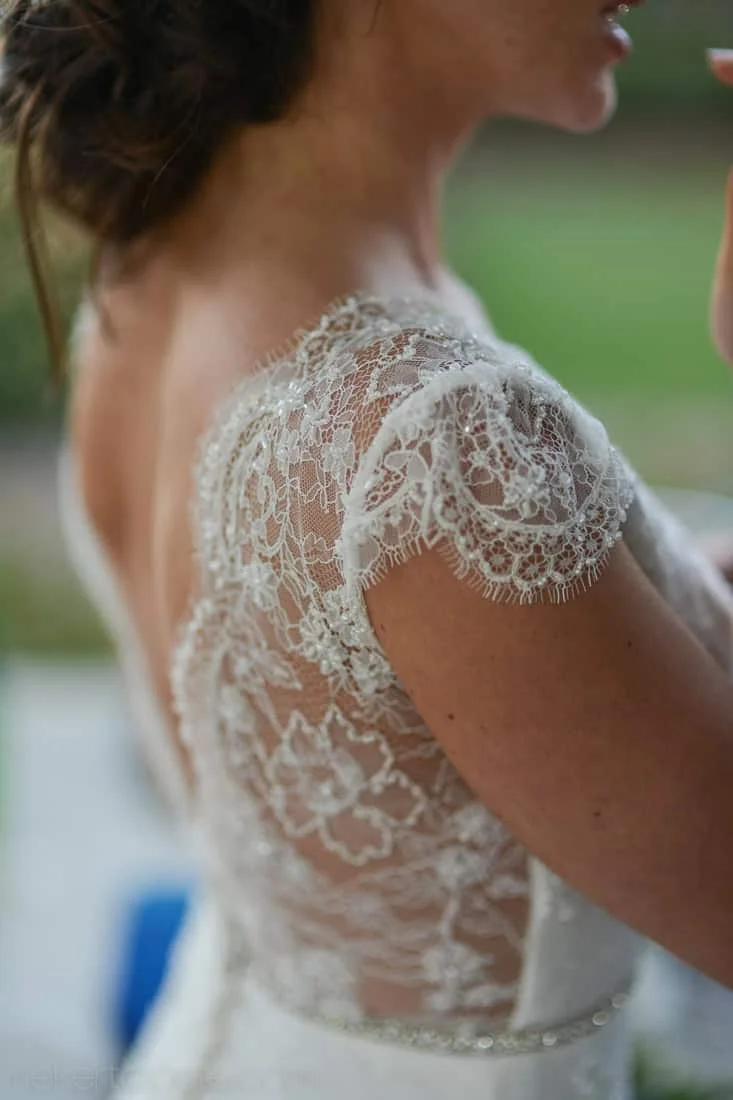
If the groom and groomsmen are getting ready at a separate location, I either split the time between both or send a second shooter. Either way, both sides of the story get told.

The Ceremony
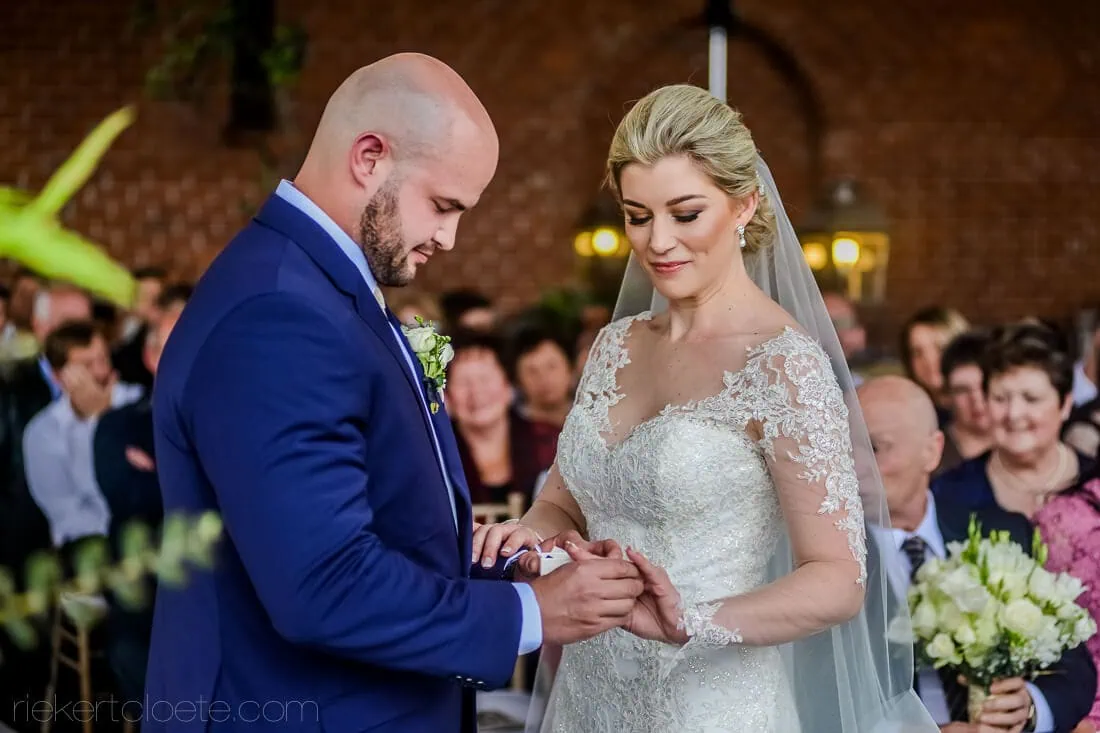
The ceremony is the one part of a wedding that cannot be re-staged. There are no second takes on the ring exchange, the first kiss, or the moment a father walks his daughter down the aisle. Knowing exactly where to stand — and when to move — comes from experience.

At outdoor Cape Town venues like Lourensford Estate, Molenvliet, or Cavalli, the light can be stunning but unpredictable. I position myself where the light falls on the couple’s faces, adjust for backlit ceremonies, and always have a flash ready for overcast skies. Indoor venues have their own challenges — mixed lighting, tight aisles, and limited angles.
Throughout the ceremony, I shoot with two bodies: one with a long lens for tight emotional close-ups, one with a wide lens for context and venue shots. This lets me capture the tears on a mother’s face and the full scene of 150 guests watching the vows — without changing lenses and risking the moment.
Portraits and the Couples Session
After the ceremony, the couple and I usually have 30 to 45 minutes for portraits. I plan this window around the light — ideally in the hour before sunset, when the Cape winelands glow and the shadows are soft.
I keep direction to a minimum. I’ll place the couple in good light and give them something to do — walk towards me, whisper something, look at each other — and let genuine reactions happen. The best couple portraits don’t look posed; they look like a private moment someone happened to capture.

Family and group formals happen right after the ceremony while everyone is still together. I use a pre-arranged shot list so we can move through combinations quickly — typically 10 to 15 minutes for all the formal groups. For more tips on planning your wedding photography timeline, see my guide.
The Reception
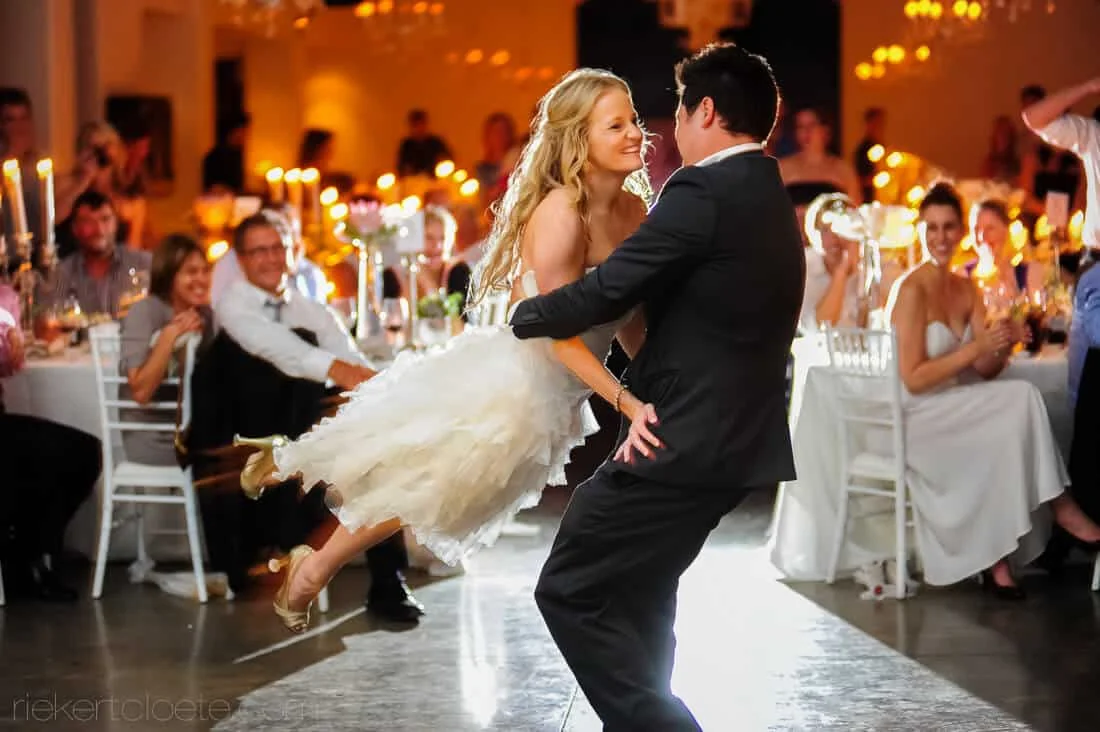
Receptions are where the storytelling shifts. The speeches, first dance, cake cutting, and party all happen in rapid succession, often in challenging light — dim fairy lights, coloured uplighting, or candlelit tables.

I bounce flash off ceilings where I can, switch to faster lenses in low light, and keep ISO settings high enough to freeze motion on the dance floor. The goal is images that feel warm and alive, not the flat, harsh look of direct flash.
The small details matter too: table settings, flowers, the cake, the hand-lettered seating chart. These elements took months of planning, and couples want to see them documented.
After the Last Dance
My day at the venue typically runs 9 to 12 hours. Back at my studio, the real volume of work begins. A full wedding produces 3,000 to 5,000 raw images. Over the following three weeks, I cull that down to about 100 edited photographs for every hour of coverage — colour-corrected, exposure-balanced, and delivered in a private online gallery.
Every image is individually edited. I don’t batch-process or apply a single preset to the entire set. A candlelit speech needs different treatment from a sunlit garden portrait, and getting that right is what separates professional wedding photography from someone with a good camera.
What to Look For in a Wedding Photographer
If you’re choosing a wedding photographer, ask about their backup plan, how many weddings they’ve shot, and whether they carry insurance. Ask to see full galleries from recent weddings, not just highlight reels — a photographer who shows 20 perfect images might struggle with the other 580.
Experience at your specific venue matters. A photographer who knows where the light falls at 4 pm, where the best portrait spots are, and how to work with the venue coordinator will deliver better results than someone visiting for the first time. Browse my wedding portfolio to see full galleries from venues across the Western Cape.
Frequently Asked Questions
How many hours does a wedding photographer work on the day?
Wedding packages cover 6, 9 or 12 hours, and 9 hours is the most popular. A full day from bridal preparation through to the dance floor suits the 9-hour or 12-hour packages, while a smaller wedding needs less and an elopement is covered in two or three hours. The sample timeline in this post shows how the day fills those hours: arriving at the bridal suite for detail shots and candid getting-ready coverage, the groom and groomsmen, a two-camera ceremony setup, family formals from a pre-arranged shot list taking 10 to 15 minutes, golden-hour couple portraits, and then the reception with the speeches, first dance and dance floor. My working day is longer than the coverage, because it starts with a gear check around 06:00 and ends with delivering the gallery. Check my wedding FAQ page for more details.
How many photos will I receive from my wedding?
I deliver about 100 individually edited images for every hour of coverage, so a 6-hour package yields 600 or more, a 9-hour package 900 or more and a 12-hour package 1,200 or more. Over a full day the coverage covers a lot of ground: the detail shots and candid getting-ready moments in the morning, the groom and groomsmen, the ceremony from key positions planned in advance, the family formals from a pre-arranged shot list, the couple portraits in golden-hour light and the reception with the speeches, first dance and dance floor. Riekert Cloete Photography delivers a teaser set within 3 days of the wedding and the full edited gallery within 3 weeks, so you can start sharing early while the rest is being finished.
How long before I get my wedding photos?
You will receive a teaser set of 20 to 30 edited images within 3 days of your wedding, and the full gallery within 3 weeks. The teaser is there so that you and your families have something to look at and share while the editing is finished. Riekert Cloete Photography edits every delivered image individually rather than applying one look to the whole set, which is why the full gallery takes longer than the teaser. Photos are delivered through Google Drive as high-resolution and low-resolution copies with no watermarks, so you can download them and share the link with your families. Album packages are delivered within 8 weeks.
Do you bring backup equipment to weddings?
Always. I carry two camera bodies, multiple lenses, spare flash units, extra batteries and backup memory cards to every wedding. Equipment failure is not something I leave to chance, because the ceremony is the one part of a wedding that cannot be re-staged. The preparation starts the night before: I charge every battery, format the memory cards, clean the lenses and pack the full backup kit. In 22 years, I have never missed a shot because of gear, and that record comes from this kind of preparation. The second body also lets Riekert Cloete Photography run a two-camera setup at the ceremony, with key positions planned in advance, so the vows and the first kiss are covered from more than one position.
Can you recommend good wedding venues in Cape Town?
I have worked at more than 60 venues across the Western Cape, from wine estates in Stellenbosch and Franschhoek to beachfront venues along the Atlantic coast. Knowing a venue matters on the day: in the week before a wedding I review the timeline with the couple and their planner, check sunset times, scout the venue for portrait locations and plan backup spots in case the weather turns. Browse my wedding portfolio to see examples, or get in touch and Riekert Cloete Photography will share recommendations based on your style and guest count.
Ready to book your wedding photographer?
With 22+ years’ experience and more than 100 Cape Town weddings, I know how to capture your day without missing a moment. View my wedding packages or get in touch to check availability.
Riekert Cloete
+27 82 556 7427 · info@riekertcloete.com · WhatsApp
100+ Google reviews · 22+ years in Cape Town · 60+ venues