
The Beauty Behind Wedding Traditions — A Photographer’s Perspective
Updated 27 October 2026
Every wedding follows traditions that most couples don’t think twice about — the kiss, the garter, the bridal makeup, the sunset portraits. But each one has a history that stretches back centuries, and understanding where these customs come from can change how you experience them on the day. After 22 years photographing Cape Town weddings, I’ve seen how the traditions that feel most meaningful to a couple always produce the best photographs.
Planning your wedding? I photograph weddings at venues across the Western Cape and love helping couples make the most of every tradition. See my wedding photography page or view packages and pricing.
Get in touch: +27 82 556 7427 · info@riekertcloete.com
The First Kiss — From Ancient Greeting to Wedding Tradition
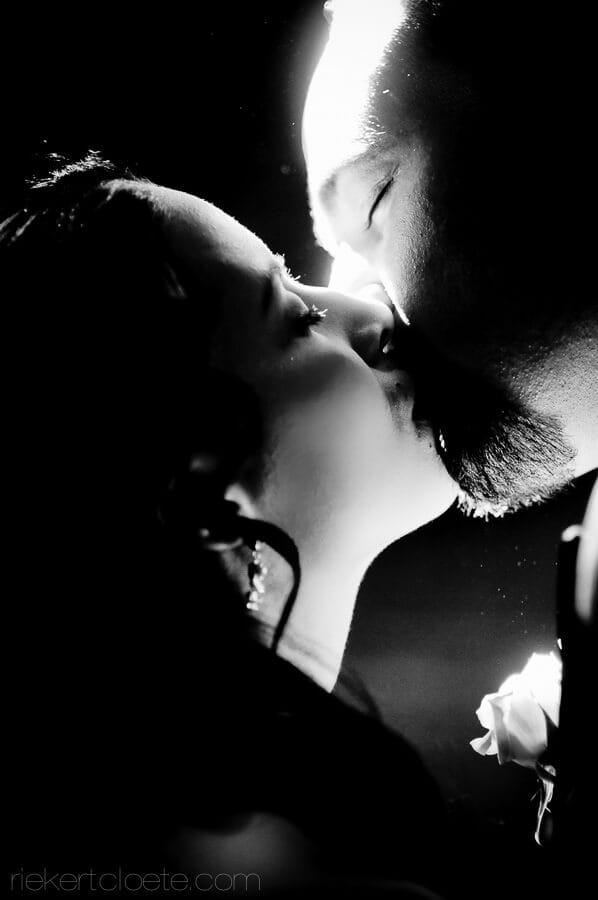
The wedding kiss is the moment every photographer waits for — it marks the transition from ceremony to celebration, and the emotion in the room is palpable. But the tradition itself goes back far further than most couples realise.
In ancient Rome, a kiss was a legal act that sealed a contract. When a couple kissed at the end of their wedding ceremony, they were binding themselves to the agreement in front of witnesses. The practice appears in the Bible and in ancient Indian texts like the Mahabharata, where kissing served as an exchange of trust and affection.
Over centuries, the wedding kiss evolved from a legal formality into the emotional centrepiece it is today. In medieval Europe, many couples had never kissed before their wedding day — the ceremony kiss was literally their first. That sense of significance carries through to modern weddings, where “you may kiss the bride” remains the most anticipated moment of the ceremony.
From a photographer’s perspective, the first kiss is unrepeatable. I position myself where I can see both faces and shoot the split second before their lips meet — that moment of anticipation often tells a better story than the kiss itself.
Bridal Makeup — Why Brides Have Always Prepared Their Faces
The bridal makeup session is one of the most photographed parts of a modern wedding morning, but the tradition of a bride preparing her face for the ceremony is ancient. In Egypt, brides used kohl and crushed beetles for dramatic eye makeup as far back as 4000 BCE. Roman brides applied chalk and lead-based powders to achieve pale skin — a sign of wealth and status.
In medieval Europe, pale skin remained the beauty ideal, and brides would apply flour or white lead to their faces before the ceremony. The Elizabethan era brought increasingly elaborate makeup, with egg-white face masks, lip rouge made from plant dyes, and crushed gemstones for sparkle.
Today’s bridal makeup serves the same purpose it always has: helping the bride feel her best at the most significant moment of her life. The difference is that modern makeup artists understand how cosmetics photograph under different lighting conditions — matte finishes that don’t reflect flash, waterproof formulas that survive emotional ceremonies, and colours that hold true under both natural and artificial light.
I work with Cape Town’s best hair and makeup artists, and I always recommend a makeup trial that includes a photo test. Makeup that looks perfect in a mirror can photograph completely differently under venue lighting. For tips on preparing for the morning, see my bridal room tips.
The Wedding Garter — A Tradition With Surprising Origins
The garter toss is one of the most playful moments at a wedding reception, but its history is darker than most couples expect. In medieval Europe, wedding guests believed that owning a piece of the bride’s clothing brought good luck. After the ceremony, guests would rush the bride and tear pieces from her dress — a practice that was understandably terrifying for the bride.
To protect the bride, the tradition evolved: the groom would remove the garter and toss it to the crowd as a substitute. This gave the guests their lucky token without the bride losing her dress. The single man who caught the garter was considered the next to marry — a tradition that mirrors the bouquet toss.
In South African weddings, the garter toss remains popular but has softened considerably. Some couples skip it entirely, while others turn it into a humorous moment that brings the dance floor to life. As a photographer, I capture both the toss itself and the reactions — the groomsmen diving for the garter and the bride laughing from the side are often the images couples love most.
Golden Hour and Sunset Portraits — Why Timing Matters
Sunset couple portraits aren’t a modern invention. The golden hour — the last hour before sunset — has been revered by painters and photographers for centuries. The light is warm, directional, and soft. Shadows lengthen. Skin glows. Everything looks better.
In Cape Town, golden hour is extraordinary. The sun drops towards the Atlantic, painting the sky in oranges and purples that change by the minute. At winelands venues, the mountains catch the last light and the vineyards turn golden. On the West Coast, the scale of the sky creates sunsets that look painted.
I build every wedding timeline around the sunset window. Missing golden hour by 20 minutes means losing the best light of the day — and the most romantic images. The tradition of sunset portraits has grown because the results speak for themselves: when a couple stands in golden-hour light, the photographs become timeless. Browse my wedding portfolio to see what Cape Town’s golden hour produces.
Why These Traditions Matter to Your Photographs
Traditions give a wedding its rhythm — they create the moments that everyone remembers and that photograph with genuine emotion. A couple who understands why they’re throwing a garter or sharing a first kiss often experiences those moments more deeply, and that shows in every frame.
My role as a photographer is to anticipate these moments, position myself for the best angle, and capture the authentic reaction. The traditions that feel most personal to the couple — whether that’s a full garter toss or a quiet first kiss — always produce the strongest images.
Frequently Asked Questions
Which wedding traditions photograph best?
The first kiss, the first dance, golden-hour couple portraits and the bouquet toss consistently produce the most impactful images. Any moment with genuine emotion photographs well, so the tradition itself matters less than how much it means to the couple. The first kiss is unrepeatable, which is why I position myself where I can see both faces and shoot the split second before their lips meet, because that moment of anticipation often tells a better story than the kiss itself. The traditions that feel most meaningful to a couple always produce the best photographs, whether they are centuries old or something you have made your own. Tell Riekert Cloete Photography which moments matter most to you, and I will make sure I am in the right place for them.
Can we skip traditions we don’t want?
Absolutely. Your wedding should reflect what matters to you. Some couples skip the garter toss, the bouquet throw, or even the formal first dance. From a photography standpoint, I adapt to whatever you plan, because there are always beautiful moments to capture. Many wedding customs have a long history, from the kiss that sealed a contract in ancient Rome to the pale makeup of medieval brides, but history is not a reason to keep a tradition that means nothing to you. The traditions that feel most meaningful to a couple always produce the best photographs, so keep the ones you love and drop the rest. Riekert Cloete Photography will plan the day around your choices. Check my wedding FAQ for more guidance.
What time should we schedule sunset portraits?
In Cape Town, golden hour shifts with the seasons. Summer sunsets (December to February) happen around 7:30 to 8 pm. Winter sunsets (June to August) are around 5:30 to 6 pm. I plan a 30-to-45-minute window before sunset for couple portraits, and I confirm the exact timing based on your wedding date. That means working backwards from sunset: the ceremony time, the family groups and the move to the reception all have to fit so the couple is ready for portraits when the light is at its best. In winter that window comes much earlier, which can affect when you choose to hold the ceremony. Riekert Cloete Photography builds the timeline around the light, so send me your date and venue and we will plan it together.
Do you photograph the bridal preparation?
Yes. The getting-ready session is one of my favourite parts of the day. I typically arrive two to three hours before the ceremony to cover hair, makeup, dress-up and detail shots. Bridal makeup is one of the most photographed parts of a wedding morning, and I always recommend a makeup trial that includes a photo test, because modern makeup artists understand how cosmetics photograph under different lighting conditions. How the room is prepared matters too: a calm space with good light and a tidy background makes better photographs. Riekert Cloete Photography works with Cape Town’s best hair and makeup artists, and my bridal room tips explain how to prepare the space.
How do you handle traditions from different cultures?
Cape Town weddings often blend South African, Western and family-specific traditions. I discuss your ceremony and reception plan beforehand so I know which moments to prioritise. Whether it is a traditional umabo, a hora or a tea ceremony, I prepare for the flow of each tradition, so I am in the right place for the moments that matter to your families. Every culture has its own sequence and its own key moments, and the most meaningful ones always produce the best photographs. The more Riekert Cloete Photography knows in advance, such as who will be involved and the order of events, the better I can plan. Get in touch to discuss your wedding.
Want a photographer who understands wedding traditions?
With 22+ years’ experience photographing Cape Town weddings, I know how to capture every tradition — from the first kiss to the last dance — with the emotion and timing they deserve. View my wedding packages or get in touch to check availability.
Riekert Cloete
+27 82 556 7427 · info@riekertcloete.com · WhatsApp
100+ Google reviews · 22+ years in Cape Town