
How Much Does a Wedding Photographer Cost in Cape Town?
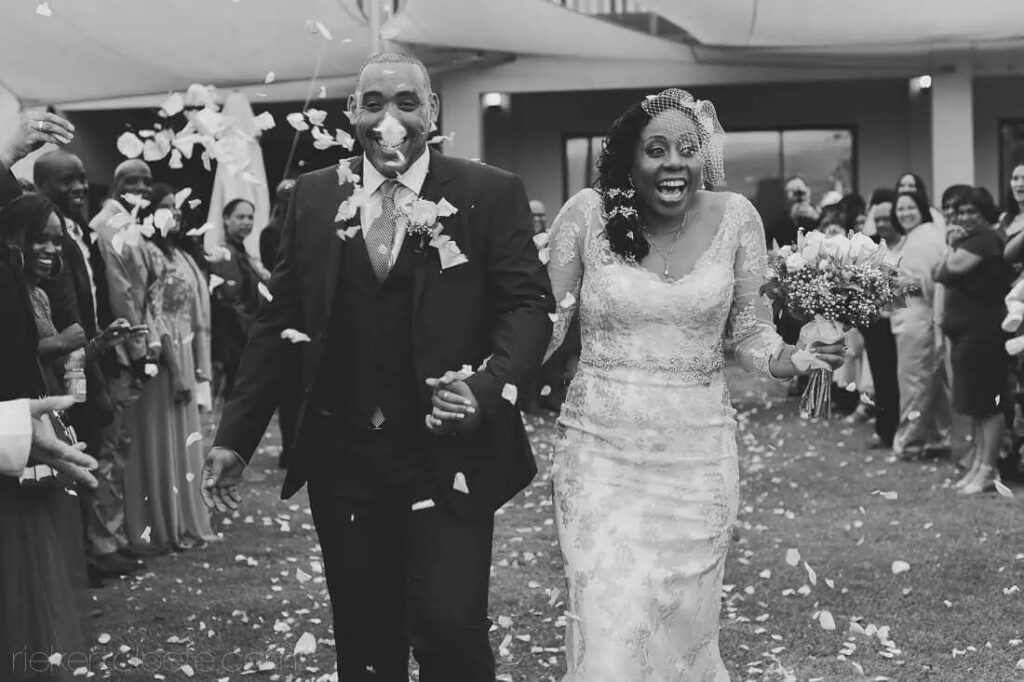
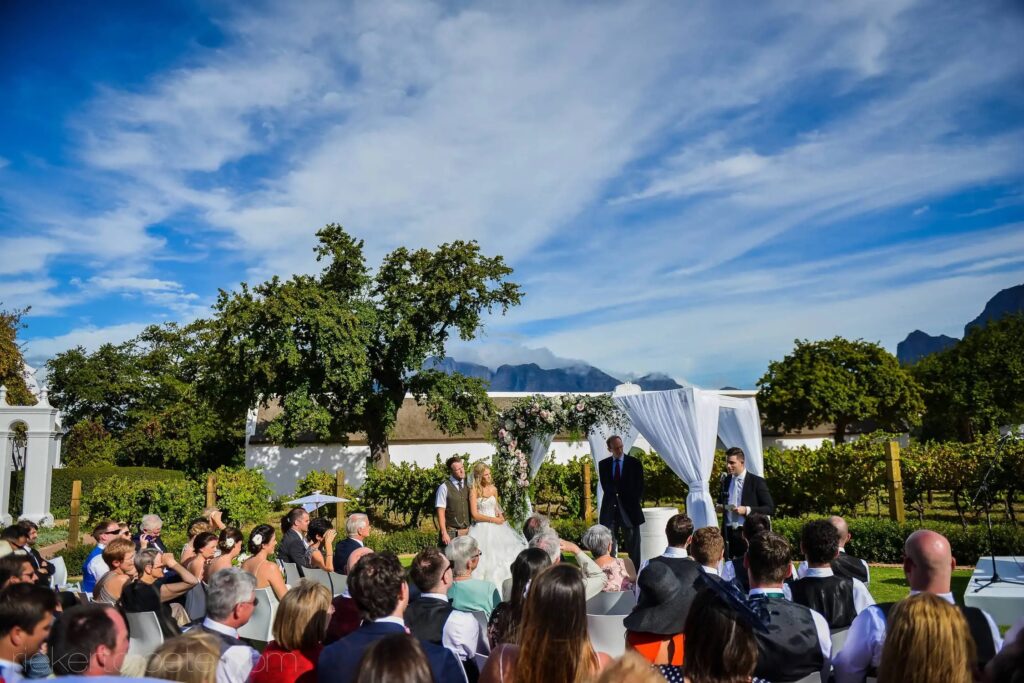
In 2026, most couples spend between R15,000 and R35,000 on wedding photography in Cape Town. Entry-level and newer photographers charge R5,000–R14,000, established full-time professionals typically R15,000–R35,000, and top-tier or multi-day coverage runs R40,000 and up. The average for an experienced professional shooting a full wedding day sits around R22,000–R28,000.
I have photographed 500+ weddings across the Cape since 2004, so the numbers below are not scraped from the internet — they are what the market actually charges, including where my own packages sit. No smoke, no “contact us for pricing” games.
Cape Town wedding photography price tiers (2026)
| Tier | Typical price | What you are getting |
|---|---|---|
| Starting out | R5,000 – R14,000 | Part-time or newer photographers, shorter coverage (4–6 hrs), smaller galleries. Great ones exist — portfolios vary widely. |
| Established professional | R15,000 – R35,000 | Full-time pros, 6–10 hours, 600–900+ edited images, insurance, backup equipment and a backup plan. Most couples land here. |
| Premium / extended | R40,000 – R60,000+ | 12+ hours or multi-day, second shooters, albums, drone, large or split-venue weddings. |
For reference, my own wedding photography packages run from R18,000 (6 hours, 600+ images) to R48,000 (12 hours, second shooter, three albums, drone) — squarely in the established-to-premium band above.
How many hours of coverage do you actually need?
| Hours | What it realistically covers | Right for |
|---|---|---|
| 4 or less | Ceremony, group shots, couple photos — and the clock is tight. | Elopements and very small weddings. Any less and it becomes a photoshoot, not a wedding captured. |
| 6 | Bride from an hour before the ceremony (portraits), full ceremony, groups, couple shoot, about an hour of reception. | Budget-smart couples. The trick: open the dance floor at your grand entrance and cut the cake right there — dancing and cake are captured before the photographer leaves after main course. |
| 8 | The typical standard South African wedding, covered — getting ready, ceremony, groups, golden-hour couple shoot, speeches, first dance. | Most weddings. Eight hours is genuinely enough for a standard day. |
| 9 | Everything above with breathing room — both prep locations, or venues with driving between them. | Days with travel, or couples who want nothing rushed. My most popular package. |
| 12 | The full story including the party, usually with a second shooter. | Weddings where there is genuinely a lot happening. Not needed for most days. |
The honest answer: for most weddings, 6 to 9 hours is the range, and 8 is usually enough. The consultation is where this gets decided — the right number of hours falls out of what actually matters to you, not the other way around.
Why do weddings cost more than other photo shoots?
Couples ask this often, and it is a fair question. Honest reasons:
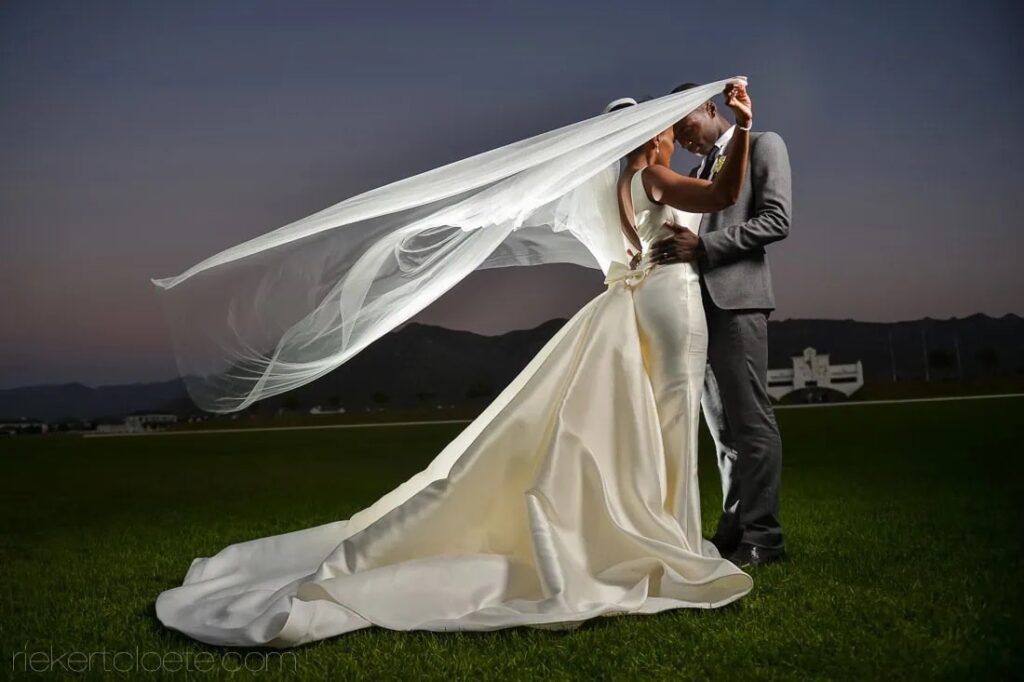
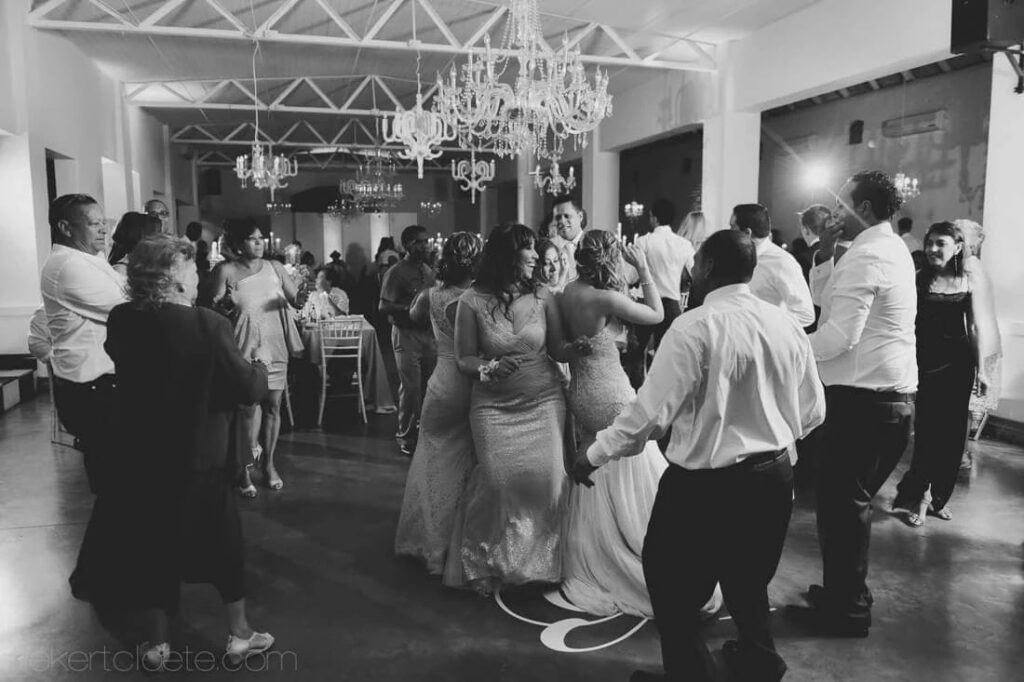
A wedding is eight genres of photography in one day. A corporate event needs one style and a fairly standard kit. A wedding day asks for portraits, detail and “product” shots (rings, dress, décor), documentary moments as they happen, architecture, landscapes, a golden-hour couple session, low-light reception work, action on the dance floor and night shots — each needing different lenses, lighting and thinking. That is why a wedding photographer arrives with double the equipment and a bag full of batteries: there is no single setup that covers a wedding.
The editing is the real job. On a normal commercial shoot, the rule of thumb is about an hour of editing for every hour of shooting. Weddings run at three to four hours of editing per hour shot — an 8-hour wedding means 24–32 hours of culling, colour work and refining afterwards. When you look at a wedding quote, roughly a week of desk work is hiding inside it.
There are no second chances — so everything is doubled. A product shoot can be redone. A wedding cannot. That means two of everything: camera bodies, lenses, flashes, batteries, memory cards — with every frame writing to two cards at once. It extends beyond the camera bag: a reliable, serviced car (you cannot break down on the way to a wedding) and even a plan for who fetches you if something happens to you. A wedding photographer cannot skimp on any of it, and all that redundancy lives quietly inside the price.
A wedding photographer has four billable days a month. In South Africa, weddings happen on Saturdays — weekday weddings are rare. A full-time wedding professional is really selling around four Saturdays a month, and thanks to seasonality, roughly nine strong months a year. Your quote is not for ten hours of work; it is for one of the scarcest slots in the calendar. (It is also why you will struggle to book a good wedding photographer for any other kind of Saturday shoot — that day is spoken for months out.)
You are buying a service, not just a shoot. A corporate job is two or three emails. A wedding is typically ten to twenty conversations, an in-person consultation that easily runs two hours, often a site meeting, sometimes a session with the wedding planner. Nobody invoices a bride per email — all of that care is built into the package, and it should be.
What actually drives the price
Hours of coverage. The single biggest factor. Getting-ready to first dance is 8–10 hours; a ceremony-and-portraits day can be 6. Overtime in Cape Town typically runs R1,200–R1,800/hour.
Experience — and what it insures you against. On almost any other shoot, the photographer holds the controls: pick the location, pick the light, reschedule if conditions turn. A wedding hands you none of that. The date is fixed, the weather is the weather, the venue is chosen, and the day is full of people — which means the skill bar is simply higher. You are not paying for a fancier camera; you are paying for someone who knows every Cape wedding venue’s light and delivers inside whatever the day serves up.
Timeline planning is half the craft. Long before the day, I sit with couples and build the timeline properly — checking the actual sunset time for the date and venue, placing the couple shoot in the best light, making sure guests never stand around waiting while the photos happen. The photos serve the wedding, not the other way around. (More in my wedding tips.)
A small example of what experience looks like on the day: a bride’s dress strap snapped moments before she was due to walk in. No time to fix it — so I snapped off the other strap, tied them behind her neck as a halter, and she walked in. Nobody ever knew, and the dress was quietly repaired during pre-drinks. That is the job.
The soft skills nobody puts on a price list. An experienced wedding photographer is quietly managing the mother of the bride, the venue staff, the planner, a nervous pastor, an over-eager bridesmaid, a groomsman who peaked too early — guiding everyone so the couple does not have to. And doing it without hijacking the day, because a wedding is not a photoshoot: the job is a great product and a couple who actually got to be present at their own wedding. Twenty years of hand-holding is baked into the price, and it is often the part couples say mattered most.
Deliverables. Digital-only is the 2026 norm. Printed albums add R6,000–R15,000 depending on format. A second shooter adds R4,000–R20,000 depending on their experience. As a benchmark for gallery size: I have worked on 100 delivered photos per hour of coverage for twenty years — a 9-hour wedding means 900+ images, edited from roughly 2,000–2,500 frames. And I do not cull to hit a number: every usable photo gets edited. What you want is variety that tells the whole story — not fifty frames of the same pose.
The consultation and the blueprint. A proper package includes a consultation (in person, or Zoom for couples abroad) where the timeline gets built — and that timeline becomes the blueprint for the entire wedding: the venue, the pastor, the DJ, the MC, the planner and the makeup artist all run off it. When needed, a venue visit too — though after 500+ weddings I know most Cape venues’ light, pre-drinks spots and group-photo positions from memory.
Travel. Most Cape Town photographers include the winelands. Beyond ±200km (Overberg deep-country, West Coast), expect a per-km rate or accommodation for early starts.
Marrying in the winelands? My Stellenbosch wedding photographer guide covers venue-by-venue light, ceremony timing and planning advice for the region.
Season and day. Peak-season (October–March) Saturdays are the scarcest dates in Cape Town photography and command full rates. The flexibility lives everywhere else. A weekday wedding is a fifth billable day in a photographer’s month — bonus income — so most will offer better rates or custom packages for it; the whole industry works this way (my wife and I married on a Wednesday, and every supplier from the venue down gave us weekday rates). Winter is similar: Cape winters are wet and quiet, and while no photographer loves discounting their few winter bookings, most would rather secure the date. The key is simply to have the open conversation — ask.
The costs couples do not see coming
- Overtime on the night — agree the rate upfront, not on the dance floor. This is also where a realistic timeline protects your budget: I would rather tell you honestly at the consultation how many hours your day needs than invoice you more than the quote twelve months later. Start on time, let the MC guard the clock, and overtime rarely happens. And if the day runs 10–20 minutes over, most photographers (me included) simply will not charge — past half an hour, we quietly check whether you would like to extend. Nobody wants to talk billing with a couple mid-dance-floor; a realistic timeline means we never have to.
- “From” pricing — a R12,000 headline that becomes R25,000 once hours, files and travel are added. Ask for the all-in figure for your day.
- Rights and files — confirm you get high-resolution images without watermarks, and how long the gallery stays online.
- Deposit and payment terms — many photographers ask 50% upfront; I work on 20–30% depending on the package, purely to secure the date. Either way, understand why deposits exist: with only four billable Saturdays a month, a late cancellation is a date that cannot be refilled. The balance is usually due before or on the day.
- Card surcharges — EFT is the norm and costs nothing. Card payments are usually possible (I run a Yoco machine) but may carry a ±3% processing fee — ask before assuming.
The one factor no price list shows: fit
Here is the thing couples only realise afterwards: your photographer is the person you will spend the most time with on the most important day of your life — more than your planner, more than most of your guests. The vibe that person brings will quietly dictate your whole day. You want someone approachable, friendly, relaxed and calm — but not overly familiar; someone who knows their place, is assertive when the day needs steering and flexible when it does not.
You cannot judge any of that from a portfolio or a price. So meet your photographer — preferably before you book — and make sure the person matches the experience you have in mind. If the vibe is wrong at the consultation, no number of hours or images will fix it on the day.
Questions worth asking any photographer
- Have you shot at our venue — and can we see a full gallery from one wedding, not just highlights?
- What happens if you are ill on the day?
- Will you personally be photographing our wedding — or could it be an associate or second team? (With studio-style outfits, the person whose portfolio you loved is not always the person who arrives.)
- When do we get our photos, and how many?
- Is VAT / travel / overtime included in the quote?
- How are our photos backed up — during the day and afterwards? (The horror stories at the budget end of the market are almost never about bad photos — they are about lost photos: a single drive crashes and the wedding is gone. The answer you want: dual card slots on the day, multiple backup copies afterwards.)
Frequently asked questions
Is R25,000 a reasonable price for a wedding photographer in Cape Town?
Yes — R25,000 is right in the middle of what established full-time professionals charge for 8–10 hours with 800+ edited images in 2026. Meaningfully cheaper usually means fewer hours or less experience; meaningfully more should buy albums, a second shooter or extended coverage.
Why is wedding photography so expensive?
The day itself is a fraction of the work. Weddings need 3–4 hours of editing per hour shot — 24–32 hours behind the desk for an 8-hour wedding — plus double the equipment of a normal shoot, because one day spans portraits, detail shots, documentary, low-light reception and night work. And unlike a commercial shoot, there are no re-shoots.
Can I get a good wedding photographer for under R15,000?
Yes, particularly newer full-time photographers building their books, winter dates, or shorter coverage. Judge the portfolio (full galleries, not highlights) rather than the price.
How far in advance should we book?
It has changed. Pre-COVID, 12–18 months was standard. Weddings have gone a little smaller since, and today around 6 months is usually fine — but the hot dates play by old rules: peak-season Saturdays on long weekends already draw enquiries a year or more out. If your date is one of those, move early.
Do Cape Town photographers charge more for destination couples?
No — couples travelling from abroad pay the same rates as locals. What changes is the process: Zoom consultations, contracts and payments handled remotely, and a photographer who plans the timeline around Cape light because you cannot scout it yourself. Most overseas couples tell me the same two things: they are amazed how much further their budget goes here compared to Europe or the USA, and they cannot believe the standard of venues and service it buys. Big multi-day destination weddings get custom packages; for intimate elopements, 2–3 hours of coverage is genuinely enough — add a fourth if you want the dinner or mini-reception captured.
What about load-shedding — will our reception go dark?
Honestly: it is a thing of the past, and even at its worst it never affected a wedding I photographed. Cape venues run generators and battery backups, receptions are strung with fairy lights anyway, and I carry significant lighting of my own. On the photography side it has never been a problem — not once.
Want a straight answer for your own day?
Bring me your date and your venue, and I will tell you honestly what your day needs — and what it does not. That is what the consultation is for.